
Pediatric Flat Foot
Evaluation of symptomatic or persistent flatfoot in children with age-appropriate guidance, observation, orthotic care or correction when required.
Book Appointment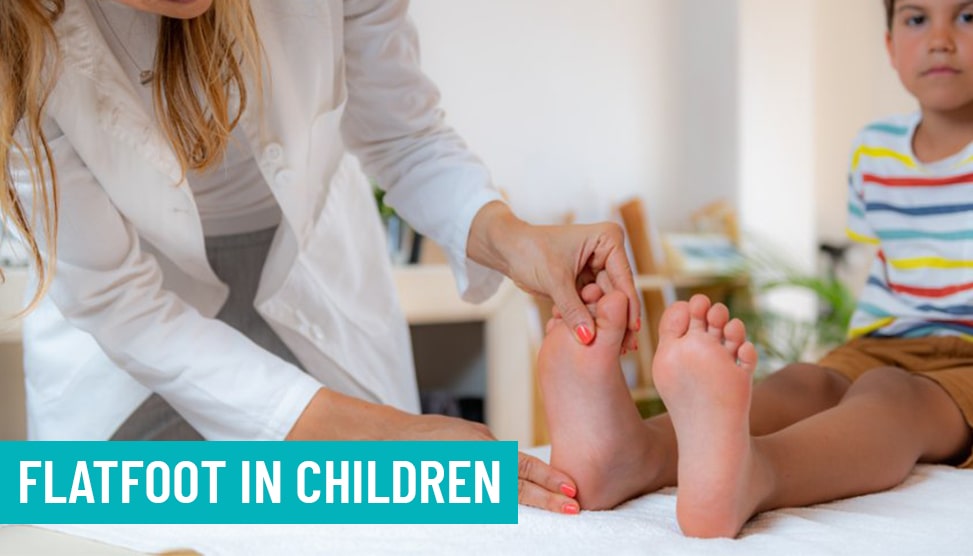
Pediatric Flat Foot
Evaluation of symptomatic or persistent flatfoot in children with age-appropriate guidance, observation, orthotic care or correction when required.
Pediatric Flat Foot
Flat feet are common in children, but persistent or symptomatic flatfoot may cause pain, altered gait or functional limitations. Monitoring and assessment help identify children who need treatment.
Need help choosing the right service?
Contact the hospital team to discuss your condition and appointment requirements.
Pediatric Flat Foot: Assessment, Treatment & Recovery
Flat feet are common in young children and often improve with growth. Assessment is particularly useful when there is pain, stiffness, asymmetry or difficulty with activities.
What we assess and consider
Review of growth, symptoms, flexibility, walking and footwear; observation may be enough for painless flexible flat feet, while symptomatic cases may benefit from supportive footwear, orthoses or further evaluation.
Common reasons for assessment
- Foot or leg pain after activity
- Unusual gait or tiring quickly
- A painful, stiff or one-sided flat foot