
Total Knee Replacement
Replacement of a damaged knee joint to relieve pain and improve mobility when advanced joint disease affects daily activity.
Book Appointment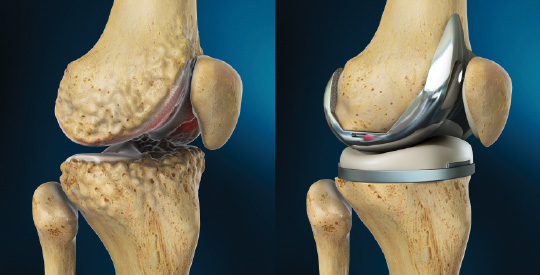
Total Knee Replacement
Replacement of a damaged knee joint to relieve pain and improve mobility when advanced joint disease affects daily activity.
Total Knee Replacement
Total knee replacement is considered when advanced joint damage causes persistent pain, stiffness and difficulty with daily activities despite appropriate non-surgical treatment.
Need help choosing the right service?
Contact the hospital team to discuss your condition and appointment requirements.
Total Knee Replacement: Assessment, Treatment & Recovery
When knee arthritis or other advanced joint damage causes persistent pain, stiffness, deformity or difficulty walking, knee replacement may be considered after a specialist assessment.
What we assess and consider
Assessment of pain, movement, alignment and imaging; discussion of non-surgical options; individualized implant and surgical planning when indicated; early mobilisation and rehabilitation.
Common reasons for assessment
- Osteoarthritis and advanced cartilage wear
- Pain during walking, stairs or standing
- Stiffness or knee deformity affecting daily activities