
Slip Disc / Herniated Disc
Evaluation and treatment of herniated discs that may cause back pain, sciatica, numbness or weakness.
Book Appointment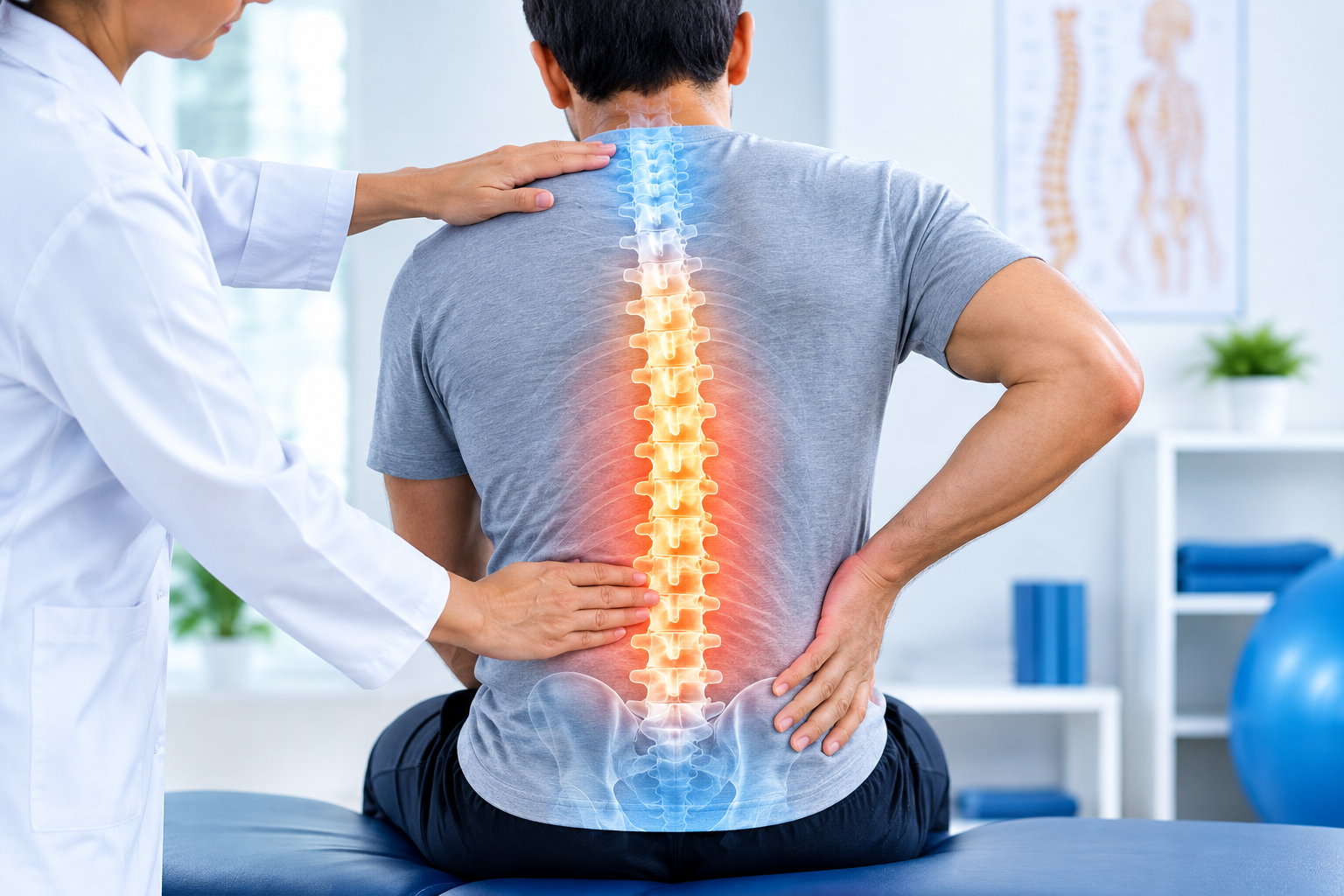
Slip Disc / Herniated Disc
Evaluation and treatment of herniated discs that may cause back pain, sciatica, numbness or weakness.
Slip Disc / Herniated Disc
A slipped or herniated disc can irritate nearby nerves and cause back pain, leg pain, tingling or weakness. Treatment depends on symptoms and neurological findings.
Need help choosing the right service?
Contact the hospital team to discuss your condition and appointment requirements.
Slip Disc / Herniated Disc: Assessment, Treatment & Recovery
A slipped or herniated disc occurs when disc material bulges or protrudes and may irritate nearby nerves. Symptoms can include back pain, sciatica, tingling or weakness.
What we assess and consider
Neurological and movement examination; imaging when indicated; non-surgical care may include guided activity, medication and physiotherapy; procedures or surgery are considered for selected cases.
Common reasons for assessment
- Back pain with leg pain (sciatica)
- Tingling or numbness in an arm or leg
- Symptoms that persist or affect function